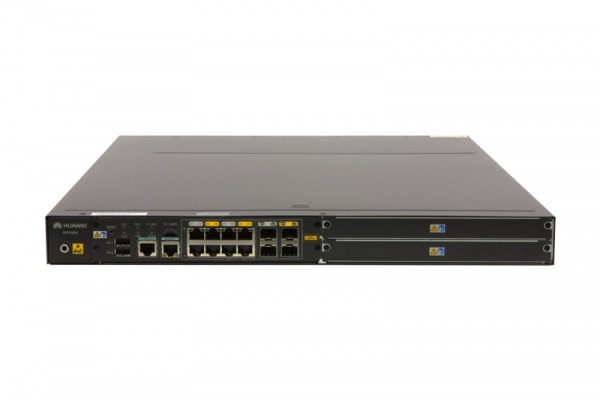
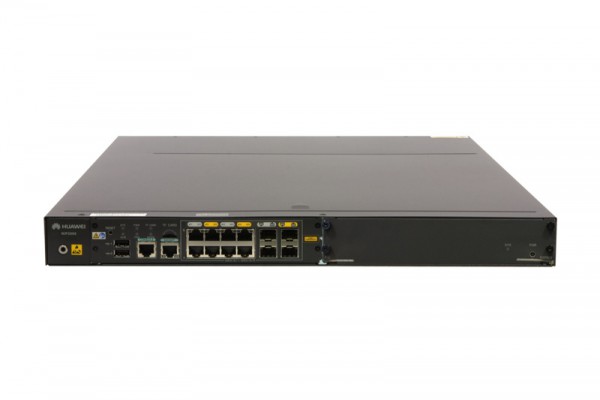
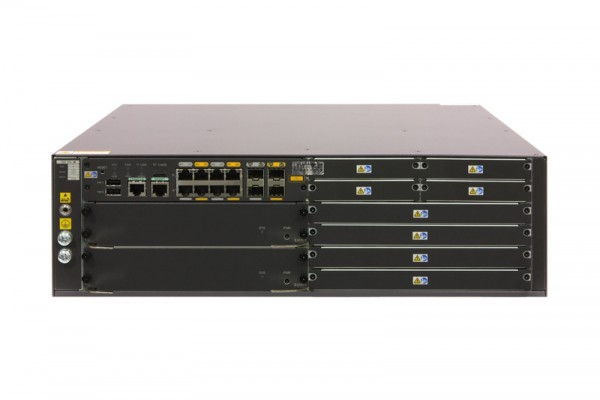
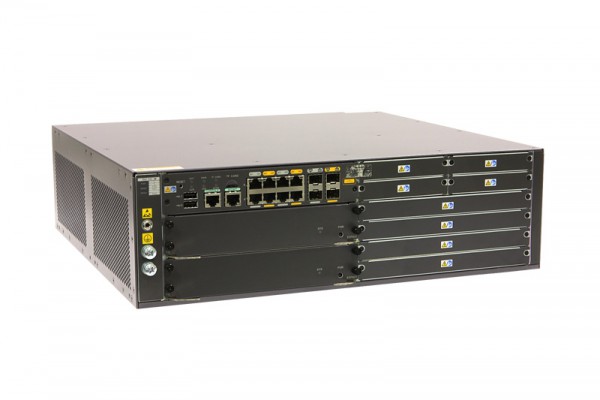
The NIP2000D/5000D Series integrated defense detection and response systems dynamically detect threats to traffic and applications in enterprise, IDC, and campus networks.
Detects thousands of intrusions across 30 categories, including network scanning, Trojan horse, worm virus, DoS or DDoS attack, and malicious code attacks. Delivers instant alarm and response mechanisms to intrusions or suspicious behaviors.
Specifications
| Specifications | NIP2050D/2100D/2130D | NIP2150D/2200D | NIP5100D/5200D | NIP5500D |
| Fixed Ports | 4 x GE (RJ45)
4 x GE (combo) |
4 x GE (RJ45)
4 x GE (combo) |
4 x GE (RJ45)
4 x GE (combo) |
4 x GE (RJ45)
4 x GE (combo) 2 x 10 GE (SFP) |
| Server Attack Detection | All-round server protection addresses problems with system and service vulnerability exploits, brute force, SQL injection, and cross-site scripting | |||
| Client Attack Detection | Security protection for web browsers and plug-ins (Java and ActiveX) Protection for files with common formats: PDF, Word, Flash, and AVI |
|||
| Traffic Attack Detection | Malformed packet attack prevention, defense against special packets, scanning attack prevention, TCP/UDP flooding attack prevention Application-layer DDoS attack prevention: HTTP, HTTPs, DNS, SIP, and more Traffic model self-learning: Sets thresholds for traffic attacks based on normal traffic statistics |
|||
| Application Awareness | Identifies more than 850 mainstream application protocols, including P2P, IM, online games, online stock trading software, voice applications, online video, streaming media, web mail, mobile terminals, and remote login | |||
| Device Management | GUI configuration, hierarchical management, permission-based access control, and centralized device management Periodic upgrade of Knowledge Database, rollback of Knowledge Database, and Intranet upgrades |
|||
| Log | Device status monitoring, event information record backup, log querying and filtering, real-time monitoring of network status, and specialized reports | |||
| Alarm Response | Real-time alarms, alarm recording, Syslog, SNMP traps, email, SMS messaging, third-party device linkages, attack packet capturing, TCP reset | |||