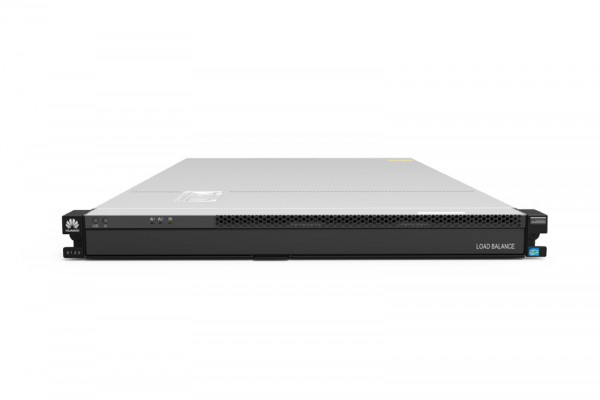
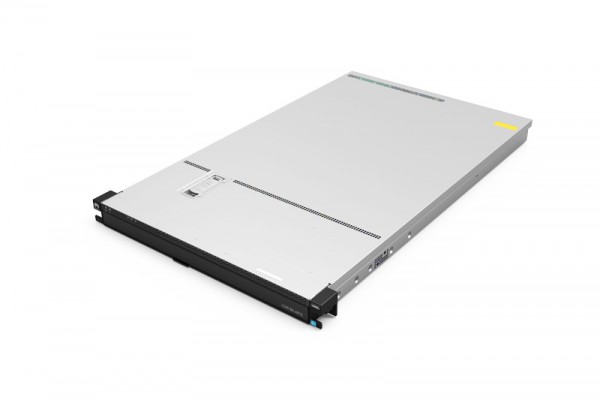
Creating a balanced, high-speed IT network is a complex process that often results in higher costs. Fortunately, Huawei’s load balancer uses existing devices to upgrade your infrastructure and enhance network flexibility and availability while reducing your investment.
Specifications
| Software Architecture | Smart Load Balance Engine | |||
| Load Balancing | Multiple scheduling algorithms | Layer 4 to layer 7 load balancing | ||
| NAT/DR/HOST forwarding | Global load balancing | |||
| TCP multiplexing | Smart overload control | |||
| Sticky session | SSL | |||
| Availability | Full health check | Resource pool backup policies | ||
| Reliability | HACS | OSPF transparent DR | ||
| Security Mechanism | Active security hardening/Web service security mechanism (allows access with IP addresses only) | |||
| Key Performance | Number of connections persecond in layer 4 | 90K cps | Number of sessions per second in layer 7 | 10K cps |
| Maximum number of concurrent connections | 9M cps | Throughput | > 10 Gbit/s | |
| Concurrent connections over SSL | 2M cps | Number of processed connections over SSL | 3,500 TPS | |
| PhysicalNetwork Ports | 8 x GE + 2 x 10 GE | |||
| I/O Ports |
|
|||
| Certifications | CCC, CE, FCC, IC, VCCI, and C-Tick
|
|||